The Art of 3D Shadow Box Mandalas: A Practical Guide for Creators and Collectors
If you’ve spent any time scrolling through Pinterest or browsing artisan marketplaces, you’ve likely paused on a 3D shadow box mandala. These layered, illuminated pieces are more than just pretty pictures—they’re a bridge between craft, mindfulness, and modern decor. But what exactly makes a 3D shadow box mandala different from a flat print or a standard mandala coloring page? And more importantly, how can you actually use one in your daily life?
Let’s get into the real-world ways people are bringing these dimensional artworks into their homes, businesses, and creative practices. No theory, just what works.
What a 3D Shadow Box Mandala Actually Is
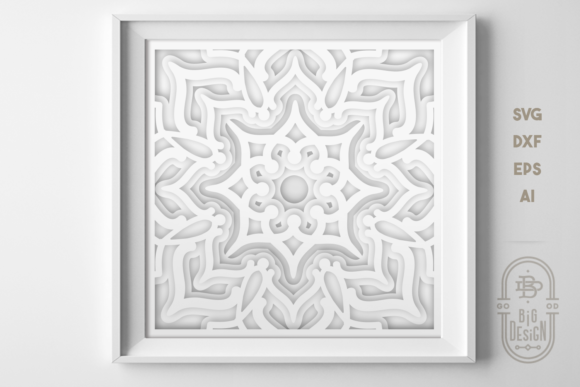
At its simplest, a 3D shadow box mandala is a layered paper-cut or laser-cut design arranged inside a deep-set frame. Each layer is spaced apart from the next, creating depth and shadow. When backlit with LED strips or a single light source, the interlocking patterns cast intricate shadows onto each layer and the frame’s backing. The result is a piece that shifts as you move around it—calm one moment, dynamic the next.
Unlike a flat canvas, the 3D shadow box mandala invites you to look closer. The negative spaces become as important as the paper itself. And because the materials are typically heavy cardstock, wood veneer, or acrylic, the piece feels substantial without weighing down a room.
Real-World Uses That Go Beyond Decoration
Most people first encounter a 3D shadow box mandala as a wall hanging. But there’s a lot more happening underneath the surface. Here are several scenarios where these pieces shine—not just as decor, but as functional tools.
In the Home: A Focal Point That Changes the Energy
Place a 3D shadow box mandala in a hallway, above a reading chair, or near an entryway. Because of the layered depth, it catches light differently throughout the day. Morning sun filtering through a window can cast the mandala’s pattern onto the wall, creating a temporary installation that shifts hour by hour. For people who work from home, positioning one in a line of sight can provide a visual anchor during stressful calls or deep focus sessions.
One observation from interior decor enthusiasts: a 3D shadow box mandala works especially well in rooms that lack architectural detail. If your walls are plain white or your space feels boxy, the layered geometry adds a sense of structure. It’s like adding crown molding without the construction.
Gift-Giving That Actually Shows Thought
Finding a gift for someone who already has everything is tough. But a 3D shadow box mandala hits a sweet spot—it’s personal without being overly sentimental. A friend who meditates every morning might appreciate a lotus-inspired mandala in a shadow box. A coworker moving into a new apartment might enjoy a geometric piece that matches their minimalist style.
Because these shadow boxes are often available in different color schemes (natural kraft paper, black-on-black, pastel tints), you can customize the aesthetic to fit the recipient’s existing decor. The three-dimensional quality also makes the gift feel more substantial than a rolled poster or a generic candle.
Mindfulness and Meditation Practice
Many people use a 3D shadow box mandala as a focal point during meditation. Unlike a candle flame, which flickers, the mandala stays still but offers depth for the eye to explore. If you practice breathwork or guided visualization, you can let your gaze rest on a specific layer of the mandala—say, the outermost ring—and slowly move inward as your session progresses.
Therapists and wellness coaches have also started incorporating these pieces into their offices. Clients who feel anxious can trace the mandala’s pattern with their eyes, which gives the nervous system a non-verbal task. One therapist I spoke with mentioned that clients often comment on the shadow box before they even sit down, using it as an icebreaker for harder conversations.
Different Audiences, Different Benefits
The beauty of a 3D shadow box mandala is that it serves a wide range of people, but each group interacts with it differently.
For DIY Creators and Crafters
If you enjoy working with your hands, making your own 3D shadow box mandala is an afternoon project that leaves you with something frame-ready. You can cut your own patterns using a craft knife and scoring board, or use a Cricut or laser cutter for precision. The process itself is meditative—cutting out the repetitive shapes, layering them with foam spacers, and waiting to see the final depth.
Common considerations: choose a frame at least 1.5 inches deep to allow for real shadow play. Use 110 lb cardstock for durability. And experiment with layer spacing—sometimes three layers look better than five, especially if the design is intricate.
For Interior Designers and Stagers
In staging homes for sale, every inch of visual interest matters. A 3D shadow box mandala can be the one piece that makes a room feel intentional rather than cluttered. Designers often recommend placing these over a console table in an entryway or beside a fireplace. The shadow box acts like a piece of sculpture that doesn’t take up floor space.
Lighting is key here. If the room has a dim corner, a backlit 3D shadow box mandala can effectively add a warm glow without turning on a lamp. Some designers wire in a small LED strip behind the frame so the piece becomes a soft nightlight.
For Corporate and Hospitality Spaces
Offices, hotel lobbies, and yoga studios are increasingly using 3D shadow box mandalas to create calm, branded environments. A custom mandala can incorporate company colors or geometric patterns that echo the logo without being overt. In a waiting room, a backlit mandala helps reduce the feeling of waiting time—people either look at it or use it as a backdrop for their own thoughts.
One limitation to be aware of: large shadow boxes (over 24×24 inches) can be heavy and require sturdy wall anchors. Also, if placed near direct sunlight, the paper layers may fade over a couple of years. Opt for UV-protected glass if the piece is in a bright room.
Practical Considerations Before Buying or Making One
You don’t need to be an expert to enjoy a 3D shadow box mandala, but a few points can save you frustration.
- Depth vs. wall protrusion: Deeper boxes (2-3 inches) create more dramatic shadows but stick out from the wall more. Make sure the piece won’t get bumped in a narrow hallway.
- Lighting source: External clip-on lights work, but integrated LED strips (battery-powered or wired) give the most consistent effect. Check if the frame has a cable channel or if you need to hide the cord with cord clips.
- Cleaning: Dust accumulates between layers. Use a soft makeup brush or compressed air to clean without disturbing the layers. Avoid wet cloths.
- Design complexity: Highly intricate mandalas with dozens of tiny cutouts are stunning but can be fragile. If you’re shipping a piece or have kids around, consider a design with thicker connecting bridges between elements.
- Custom vs. pre-made: Pre-made 3D shadow box mandalas from Etsy or local artisans range from $30 to $200 depending on size and material. Custom orders can run higher but let you choose colors and pattern style.
Strengths That Make It Worth the Investment
A well-made 3D shadow box mandala rarely goes unnoticed. Guests comment on it. It stands out in room photos. And unlike a painting that can feel flat in a photo, the depth of a shadow box translates well even in casual phone shots—great for social media.
Another plus: it’s gender-neutral. Both men and women appreciate the geometric, almost architectural feel. And because mandalas are culturally broad (you can find patterns inspired by Celtic, Indian, Moroccan, or modern abstract styles), there’s a design for almost any taste.
Potential Limitations You Should Know
Nobody talks about the downsides, but let’s be honest. A 3D shadow box mandala is not for everyone. If your style leans heavily toward maximalism or bold color, the monochrome or natural tones of many mandalas might feel too restrained. Also, the price for high-quality laser-cut wood versions can be steep—think $100+ for a 12x12 piece.
Another limitation: shadow boxes collect dust. If you live in a dusty area or have pets, you’ll need to clean the layers more often than you’d clean a flat picture frame. And while the piece is durable, dropping it can dislodge layers. They’re not ideal for high-traffic kid zones unless mounted securely or placed high on a wall.
Finally, some people find the backlighting too bright for a bedroom. If you’re sensitive to light while sleeping, choose a piece that uses a softer, dimmable LED or relies only on ambient room light.
Where to Start if You’re Curious
If the idea of a 3D shadow box mandala resonates with you, start small. A 6x6 or 8x10 piece gives you the feel without a major commitment. Many craft stores sell shadow box frames off the shelf, and you can find free SVGs for mandala patterns online. Cut one yourself, or buy a ready-made piece from a local artist.
Place it somewhere you’ll see it daily—not just a guest room. Over time, you’ll develop a relationship with the shadows and the patterns. That’s the real magic: a 3D shadow box mandala isn’t just an object. It’s a quiet anchor in a busy world, reminding you that depth can exist even in stillness.